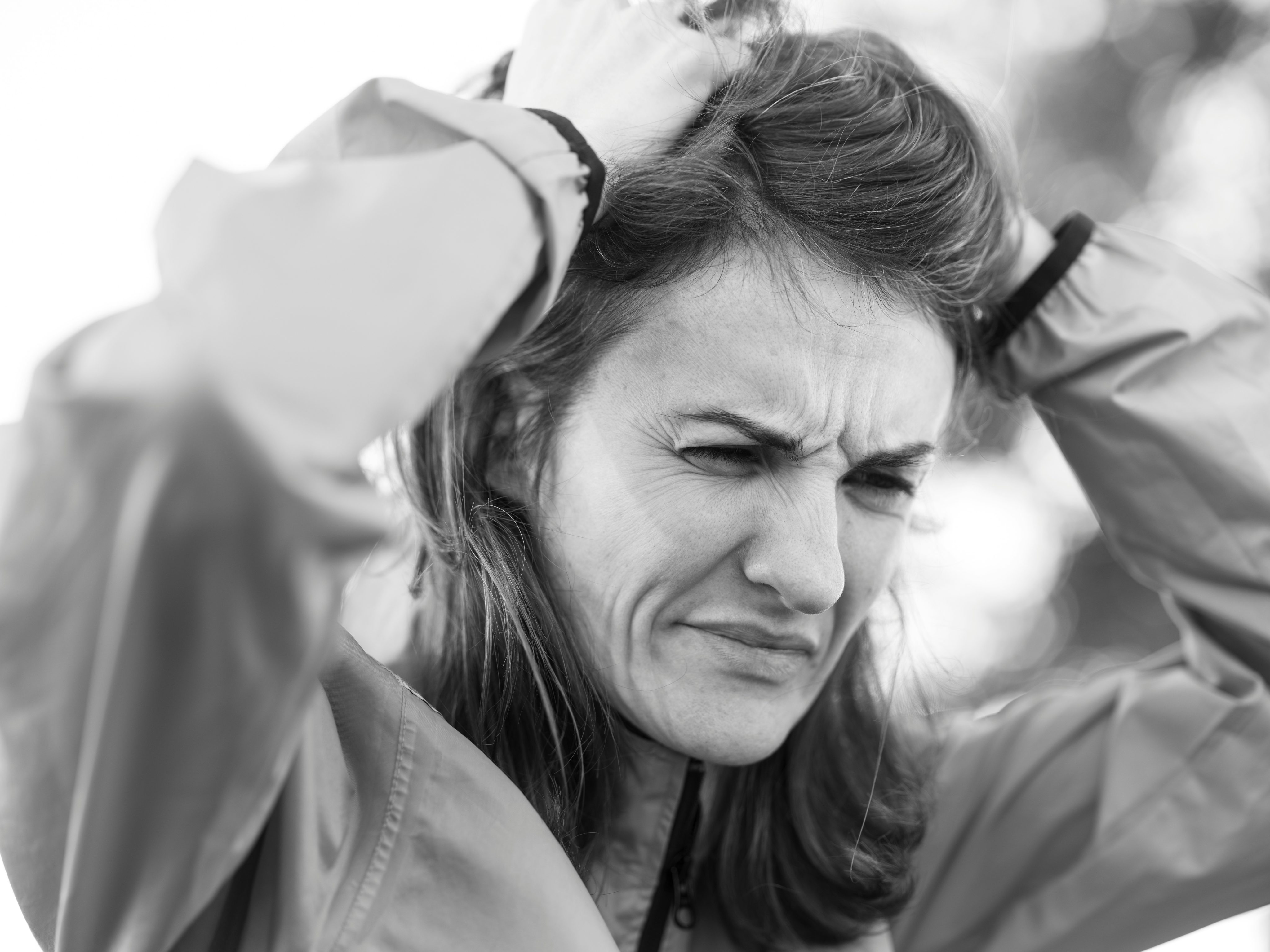
Mood Swings, Tears... and the Feeling That I Was Covered in Bugs
When people talk about perimenopause, they often mention the same few symptoms, what they don't tell you about are the symptoms that make you question your own mind.
For me, one of the hardest parts of perimenopause wasn't the physical changes, it was the emotional rollercoaster. One minute I was absolutely fine and the next I was overwhelmed with sadness, frustration or anger without knowing why. I wasn't upset about anything in particular but the emotions felt completely real and impossible to control.
Just when I thought I'd experienced the worst of it another symptom arrived that I had never even heard of.
It started on a day when my emotions had completely taken over and looking back, it wasn't actually a terrible day, but it certainly felt like it was. I ended up curled up on the sofa with a box of tissues, crying so hard that I couldn't have explained what had upset me.
Once the tears finally eased, I did what I often tried to do. I focused on my breathing, put on a calming meditation and tried to bring myself back into the present moment.
I was beginning to feel calmer.
Then I felt something crawling up my arm.
I instinctively scratched it, expecting to find a fly.
Nothing.
A few seconds later I felt it again, this time in a different place and then again. I looked down repeatedly, convinced there had to be something on me but there wasn't.
I brushed my arms down, told myself it was nothing and tried to return to my meditation.
Within seconds, the crawling sensation was back.
The harder I tried to ignore it, the worse it seemed to become. My calm disappeared almost instantly, replaced by frustration. I remember thinking, I just want to crawl out of my own skin.
Over the following weeks it became more frequent and it wasn't just my arms anymore. My legs would itch or my face would suddenly feel as though something was crawling across it. It started to happen during video meetings and I'd desperately try not to scratch because I didn't want everyone wondering what I was doing.
Inside, though, I was becoming increasingly anxious.
Every meeting seemed to make me more aware of it, I would finish calls feeling exhausted and close to tears. I tried everything I could think of a change of moisturisers, drinking more water and even antihistamines, convinced it had to be an allergy or histamine reaction.
Some days it settled down and other days it came back so intensely that I had to schedule breaks between meetings, simply so I could step away from my screen and regain some composure.
At the time, I genuinely wondered what was going on and then I discovered something that completely changed how I viewed the experience.
It has a name.
The sensation is called formication.
Formication is a recognised neurological symptom that can occur during perimenopause. It creates the sensation of insects crawling on or beneath the skin, even though there is nothing there.
It isn't caused by bugs.
It isn't "all in your head."
And you're certainly not losing your mind.
The sensation can range from a mild tickling feeling to intense crawling, itching or prickling that interferes with work, sleep and everyday life. Many women find it becomes worse during periods of stress, fatigue or in the evening, which was certainly true for me.
The reason it can happen is linked to fluctuating and declining oestrogen levels. Oestrogen plays an important role in skin health, nerve function and the way our nervous system processes sensations. As hormone levels fluctuate, those nerve signals can sometimes misfire, creating very real sensations without any physical cause.
Looking back now, I wish I'd known this symptom existed so instead of worrying that something was seriously wrong, or feeling embarrassed every time I scratched my skin during a meeting, I could have recognised it for what it was just another unexpected part of perimenopause.
Perimenopause has taught me that there are so many symptoms we simply don’t know about and the more we share our stories, the more women realise they're not alone, they're not imagining things, and they don't have to suffer in silence.
If you're experiencing something similar, please don't dismiss it or struggle through it on your own, speak to your GP or a menopause specialist even if the symptom feels unusual, it deserves to be taken seriously.
Sometimes the greatest comfort comes from hearing someone else say:
"That happened to me too."
Photo used is by engin akyurt on Unsplash